
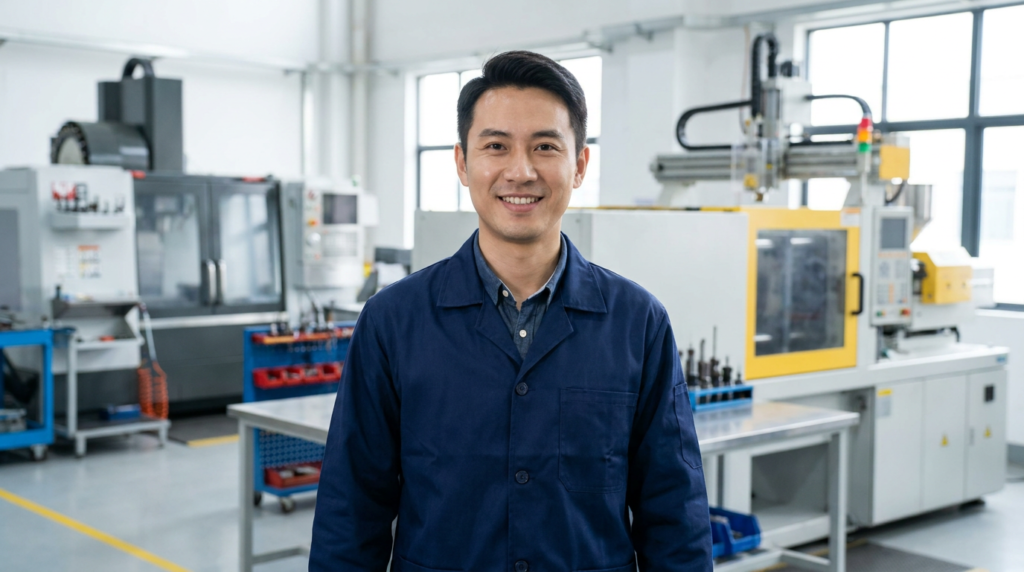
Yes — injection molding is a good career for people who enjoy hands-on technical work. It offers strong job stability, competitive salaries, clear career progression, and global demand. Skilled process engineers, mold designers, and tooling specialists are consistently in short supply worldwide, making it a secure long-term career choice.
Further Reading
For neutral technical background, see injection molding background.
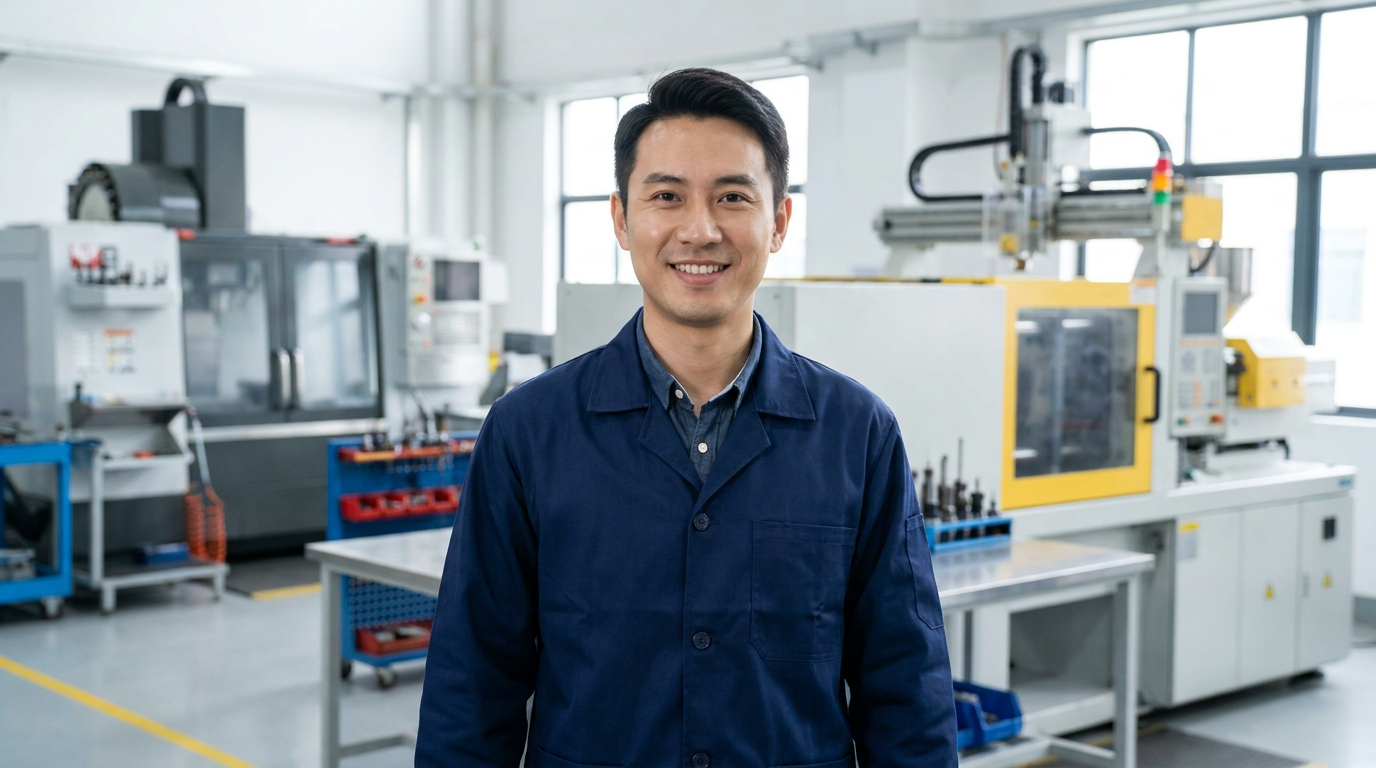
Salary Overview by Role
| Role | USA (USD/yr) | Germany (EUR/yr) | China (USD equiv/yr) |
|---|---|---|---|
| Machine Operator | \,000–\,000 | €28,000–€38,000 | \,000–\,000 |
| Process Technician | \,000–\,000 | €35,000–€48,000 | \,000–\,000 |
| Mold Designer | \,000–\,000 | €45,000–€65,000 | \,000–\,000 |
| Tooling Engineer | \,000–\,000 | €55,000–€80,000 | \,000–\,000 |
| Quality Engineer | \,000–\,000 | €50,000–€70,000 | \,000–\,000 |
| Plant / Operations Manager | \,000–\,000 | €70,000–€100,000 | \,000–\,000 |
Pros of Working in Injection Molding
- High global demand — Injection molded parts are in every industry. The global injection molding market exceeds \ billion USD annually, creating consistent employment opportunities worldwide
- Tangible, satisfying work — You design, build, and optimize tools that produce real physical products. Seeing a perfectly formed part come off a mold you helped develop is deeply satisfying
- Clear skill progression — Operator → Technician → Engineer → Designer → Manager. Each step has defined skills and delivers a significant salary increase
- Transferable skills — Knowledge of plastics, tooling, process control, and quality systems transfers across industries (automotive, medical, electronics, consumer goods)
- Global mobility — Skilled tooling engineers and mold designers are in demand in China, Germany, USA, Mexico, and Southeast Asia — enabling international career opportunities
- Stability — Manufacturing is not easily offshored once established, and mold-making skills cannot be automated away in the near future
Cons to Consider
- Physical environment — Factory floors can be noisy, warm, and require standing for long periods. Production environments operate 24/7 with shift work
- Steep learning curve — Becoming truly competent takes years. Plastics behavior, mold construction, and process optimization are deep technical subjects
- Tooling cost pressure — Mold shops often operate on tight margins with demanding customers. Delivery and cost pressure can be stressful
- Entry-level pay is modest — Starting as a machine operator pays modestly. Career investment of 3–5 years is needed before reaching senior technical salaries
Career Path in Injection Molding
A typical career progression in injection molding looks like this:
- Machine Operator (0–2 years) — Learn to set up and run injection molding machines, perform basic quality checks, and understand materials and cycle parameters
- Process Technician (2–5 years) — Optimize process parameters, troubleshoot defects, run mold trials, and understand scientific molding principles
- Tooling / Process Engineer (5–10 years) — Design or specify molds, manage mold builds, conduct PPAP and FAI, interface with customers and mold suppliers
- Senior Engineer / Manager (10+ years) — Lead engineering teams, manage capital tooling budgets, drive new product introduction programs
Is Injection Molding a Good Job for the Future?
Yes — for several reasons:
- Electric vehicles are driving growth — EVs use 30–40% more plastic components than combustion vehicles (battery housings, connectors, structural brackets), increasing demand for precision injection molds
- Medical device growth — Ageing global populations and expanding healthcare access are driving sustained growth in medical plastic components — one of the highest-value injection molding segments
- Reshoring trends — USA and European manufacturers are reshoring production, creating new demand for local mold shops and process engineers
- Automation creates higher-value roles — Robotic part removal, automated inspection, and Industry 4.0 process monitoring are replacing low-skill tasks while creating demand for engineers who can program and maintain these systems
Frequently Asked Questions
Is injection molding a stressful job?
Process engineering roles can be stressful during mold trials and production launches, when customer deadlines and quality targets converge. Machine operator roles are more routine. Overall, stress levels are comparable to other manufacturing engineering roles.
Can you make good money in injection molding?
Yes. Senior tooling engineers and mold designers in the USA earn \,000–\,000+. In China, experienced mold designers earn \,000–\,000 USD equivalent — placing them in the upper tier of manufacturing professionals.
Is injection molding a dying industry?
No. The global injection molding market is projected to grow from approximately \ billion in 2024 to over \ billion by 2032, driven by EV, medical, and consumer electronics growth. Skilled professionals remain in short supply globally.
What is the hardest part of working in injection molding?
The hardest part is developing genuine process understanding — knowing not just what parameters to change but why the material is behaving the way it is. This requires years of hands-on experience across many different materials and part geometries.
🔗 Related Articles
Work With BuildMold’s Expert Team
Our 50+ engineers and technicians average 10+ years of injection molding experience. Send us your project for a free DFM review and quotation.